What is a GRN (Goods Receipt Note) and How Does It Work?
Every inward goods movement starts with a GRN. Understand what it is, why it matters, and how modern IMS automates the entire process.

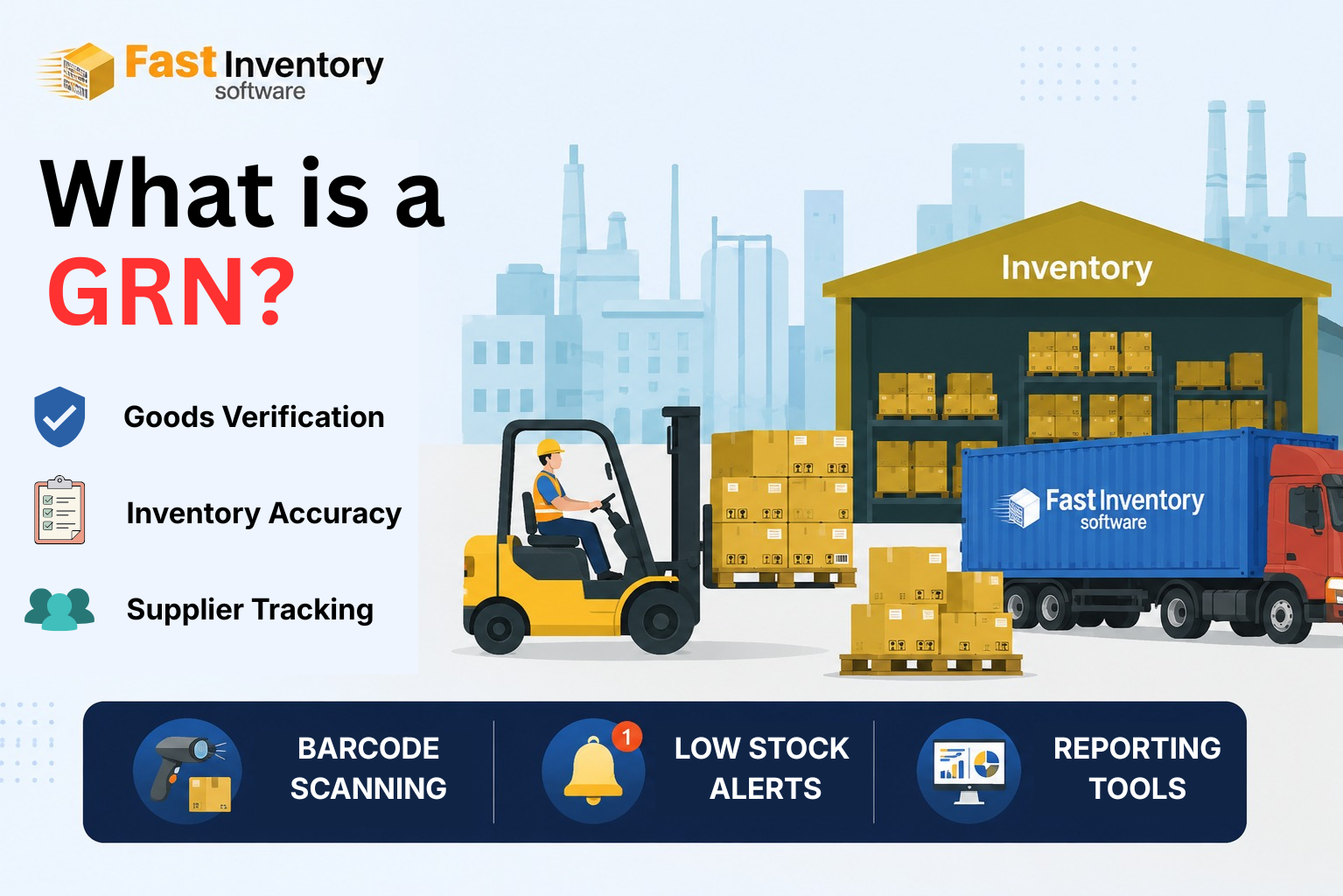
The Gatekeeper of Warehouse Accuracy
Imagine ordering 500 premium components for your production line, paying the invoice blindly, only to find out weeks later that the vendor dropped off 400 pieces, out of which 50 were completely fractured. By that time, the supplier denies any discrepancy, your production stalls, and cash flows out for goods you never received.
To stop leaks like this, smart companies use a vital checkpoint tool when shipments arrive: the **Goods Receipt Note (GRN)**. A GRN acts as the formal proof that physical products have safely landed, verified, and loaded into your inventory database.
Whether you manage a single retail hub or handle multiple industrial warehouses, moving away from pen-and-paper tracking toward automated processing with an Inventory Management System (IMS) secures your profits and stabilizes stock counts.
What is a Goods Receipt Note (GRN)?
A **Goods Receipt Note (GRN)** is a legal and internal document generated by warehouse staff to acknowledge the successful delivery of items by a supplier. It confirms that the incoming cargo matches the stipulations established in the corporate Purchase Order (PO).
Once processed and signed off, the GRN becomes an official receipt of receipt. It serves as an unalterable bridge document connecting three distinct components of your business operations: Procurement, Warehousing, and Finance.
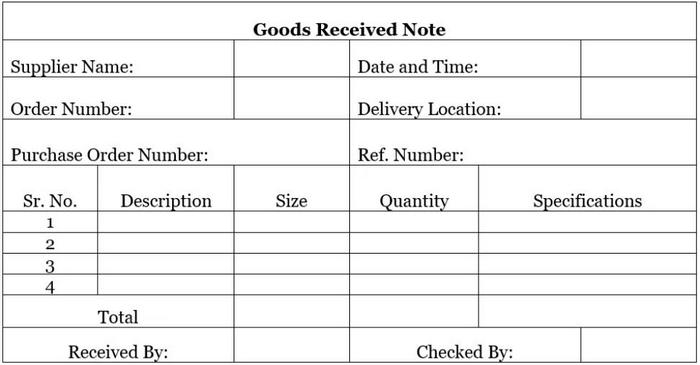
Key Information Inside a Standard GRN
To provide utility across multiple auditing layers, a comprehensive GRN contains specific, objective reference points:
- Supplier Information: Legal name, location details, and registration identifiers.
- Tracking Numbers: The original Purchase Order (PO) number, Delivery Chalani/Challan, and the generated unique GRN ID.
- Temporal Marks: Explicit date and timestamp when the delivery truck arrived and when items were officially recorded.
- Product Breakdown: Item names, structural codes, SKUs, physical batch/lot codes, and expiration tracking parameters.
- Quantity Checks: A comparative column highlighting the precise quantity ordered vs. quantity actually delivered vs. items rejected upon inspection.
- Authorizing Signatures: Verified digital codes or handwritten confirmations from the handling store manager and delivery driver.
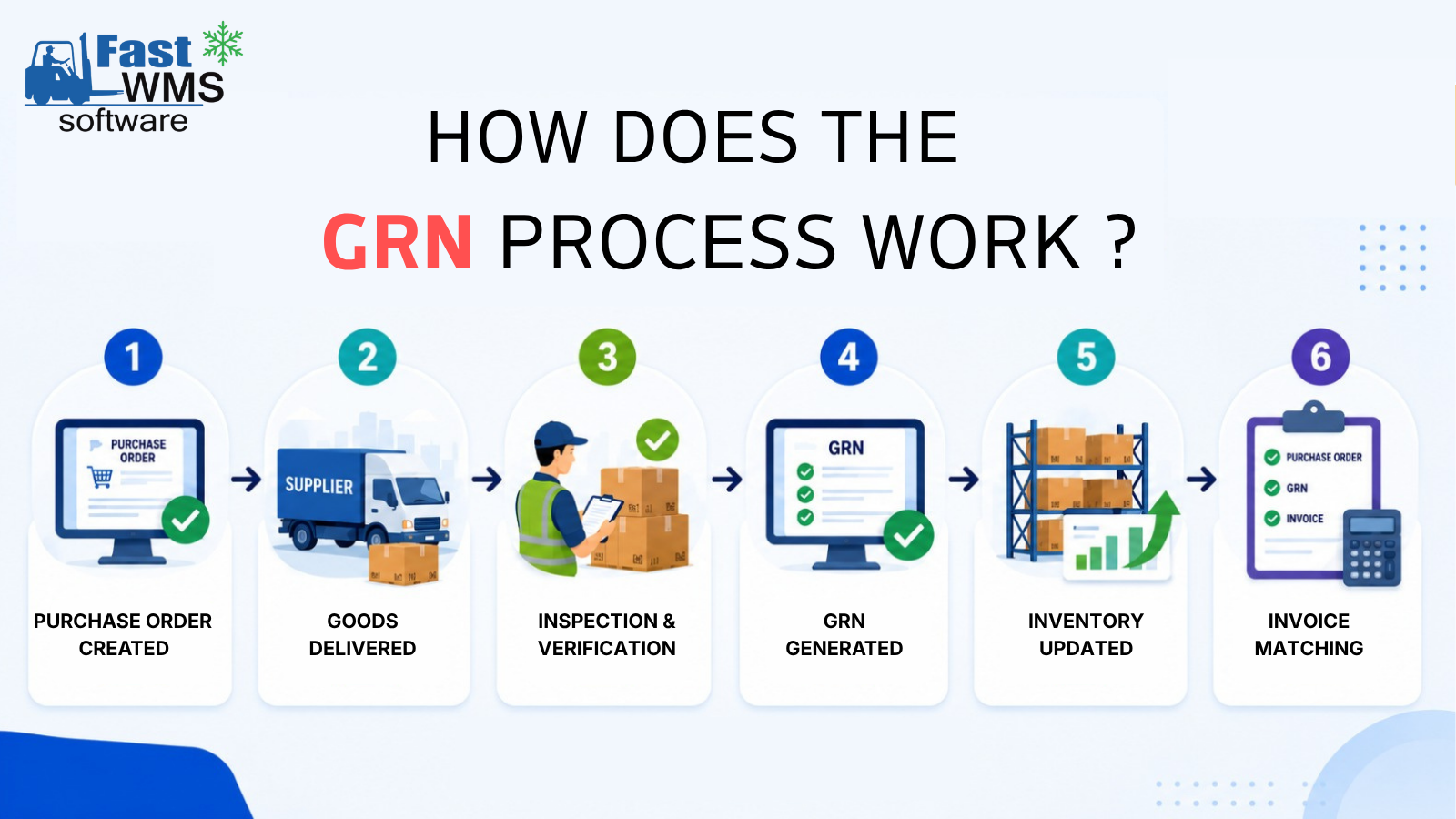
How Does the GRN Process Work? Step-by-Step
In a standard warehouse environment, the generation of a clean Goods Receipt Note proceeds through a structured timeline:
- Arrival and Unloading: The logistics provider reaches the warehouse yard. Dock supervisors inspect structural labels and cross-reference the driver's delivery manifest.
- Physical Inspection and Verification: Warehouse staff unwrap the pallets. They count physical units and perform quality compliance runs to confirm items aren't broken or counterfeit.
- Discrepancy Logging: If units are missing or ruined, handlers mark down rejections directly on the receipt logs.
- GRN Document Generation: The gatekeeper drafts the GRN document. One duplicate copies back to the driver, one enters procurement archives, and the original copy advances to accounts payable.
- Inventory Database Allocation: The verified inventory figures get logged into warehouse shelving locations, instantly inflating live sellable stock levels.
Why Does a GRN Matter to Business Owners?
Operating without a formal, rigorous GRN mechanism introduces critical risks to your bottom line. Here is why the document remains non-negotiable for growing operations:
1. The Foundation of Three-Way Matching
Before accounts teams release thousands of dollars to clear an invoice, they run a strict safety procedure called **Three-Way Matching**. They compare three documents: the initial Purchase Order (what was wanted), the Goods Receipt Note (what actually arrived), and the Supplier Invoice (what is being billed). If numbers align across all three fronts, payment clears confidently.
2. Unassailable Dispute Resolution
If a vendor demands full compensation for structural shipments that arrived broken, your signed GRN acts as rock-solid legal evidence detailing the exact quantity turned away at the gates.
3. Flawless Inventory Tracking
An accurate GRN avoids systemic "phantom stock" anomalies. Your sales staff won't promise inventory to an enterprise buyer that is missing from physical shelves.
Manual Paper GRN vs. Automated IMS Processing
While manual paper logging was the standard for decades, it fails to keep pace with modern logistics speeds. Look at how digital evolution completely revamps the inward ecosystem:
| Operational Element | Manual Paper Ledger | Barcode-Driven Automated IMS |
|---|---|---|
| Processing Speed | Slow (Minutes spent handwriting or typing codes) | Instantaneous (One-click barcode scan) |
| Data Typing Precision | Highly prone to human input errors | Flawless 99.9% scanning accuracy |
| Procurement Speed | Delayed (Paper slips take days to reach finance) | Real-time synchronization with cloud accounts |
| Discrepancy Control | Requires manual reviews and checks | Automated smart validation alerts |
| Audit Cleanliness | Difficult, paper slips get damaged or lost | Unmodifiable digital tracking logs |
How an Inventory Management System (IMS) Automates GRN
By dropping manual record-keeping in favor of a specialized tech framework like Fast Inventory Solution, your receiving docks shift to full automation:
- Instant PO Pull-up: The moment a delivery arrives, handlers scan a QR code on the delivery sheet, instantly pulling the original PO details onto their handheld mobile device.
- Mobile Barcode Scanning: Handlers scan item stickers directly as they come off the truck. The software counts the units automatically and tracks batch and serial numbers.
- Auto-Flagging Anomalies: If a picker accidentally scans 120 units when only 100 were requested, the system blocks the step with visual warning flashes, instantly halting the overage mistake.
- Real-time Accounting Integration: The moment a digital signature hits the scanner dashboard, your finance team's systems update automatically, making invoice settlement quick and painless.
Secure Your Profits at the Inbound Gates
A Goods Receipt Note is much more than just another internal administrative form—it is your business's frontline defense for inventory accuracy and capital protection. By tracking exactly what arrives at your docks, you cut down on stock leakage, optimize vendor relations, and keep your books perfectly accurate.
Relying on old paper workflows or slow manual entry leaves your cash flow vulnerable to human error. Upgrading to a modern, barcode-integrated software system brings speed, transparency, and clarity across your entire supply chain.
Ready to streamline your inbound operations and eliminate inventory errors? Try out the Fast Inventory Management System or contact our technical engineers to schedule a live product tour today.